

An emotional regulation parenting guide can transform daily meltdowns into meaningful teaching moments at home. Many parents want calmer evenings, smoother mornings, and fewer emotional outbursts from their children. Yet they often feel unsure how to respond when feelings escalate quickly. Clear strategies bring structure, reduce power struggles, and strengthen connection.
Children experience emotions intensely because their brains still develop self-control and perspective. When frustration builds, they react before thinking through consequences. Parents who respond with calm structure instead of punishment teach lifelong coping skills. Consistent guidance shapes emotional resilience more effectively than reactive discipline.
The Emotional Regulation Parenting Guide offers practical tools that support these daily interactions. It organizes complex emotional concepts into simple steps that parents can apply immediately.
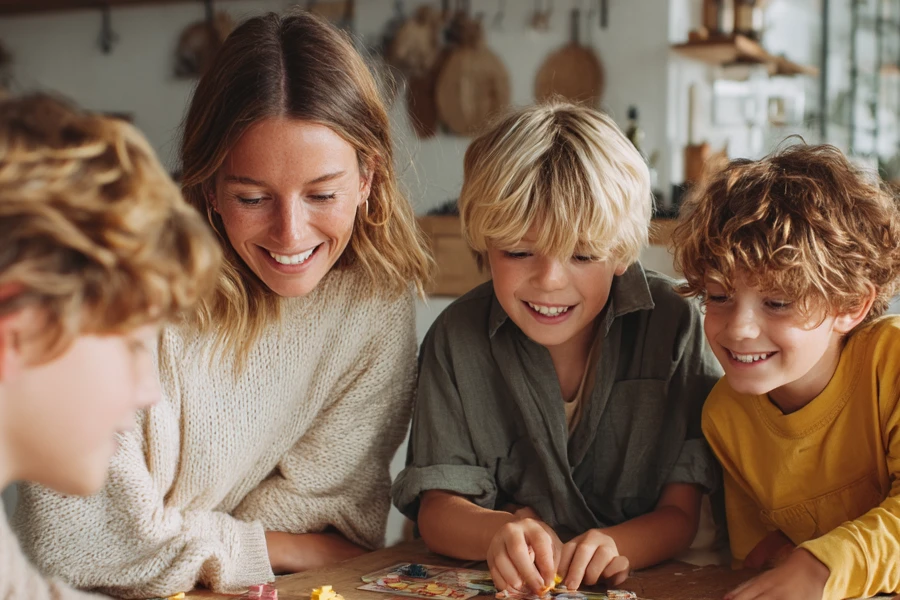
An emotional regulation parenting guide helps children name what they feel instead of acting impulsively. When kids recognize emotions accurately, they build emotional awareness for kids that supports empathy and self-understanding. Naming feelings reduces confusion and lowers emotional intensity.
Parents often jump straight to correcting behavior without addressing underlying emotions. That approach ignores the internal experience driving the reaction. Teaching children to identify sadness, frustration, embarrassment, or fear encourages healthier expression.
You can begin by modeling emotional vocabulary during calm moments. Describe your own feelings clearly and explain how you manage them. This modeling normalizes emotional experiences and encourages openness.
The Emotional Regulation Parenting Guide includes structured exercises that guide these conversations naturally. It provides reflection prompts and scenario examples that make emotional learning practical.
An emotional regulation parenting guide teaches self-calming techniques for children that reduce escalation before conflict grows. Deep breathing exercises, grounding techniques, and sensory resets help children regain control. These strategies work best when practiced during calm periods rather than during intense moments.
Parents can create a small calming corner with soft lighting and comforting objects. Encouraging brief breaks empowers children to choose regulation over reaction. Consistency reinforces these habits until they become automatic.
When children practice self-calming techniques for children regularly, they gain confidence in their ability to recover. They learn that strong emotions feel manageable instead of overwhelming. Structured repetition builds resilience over time.
The Emotional Regulation Parenting Guide outlines age-appropriate calming strategies for various developmental stages. It helps parents adjust techniques based on temperament and maturity level.

A guide becomes most effective when integrated into daily routines. Morning transitions often trigger resistance and frustration. Preparing children with visual schedules and clear expectations reduces anxiety.
After-school decompression time supports emotional reset before homework or chores begin. Offering structured downtime prevents overstimulation and irritability. Consistent routines create predictability that supports emotional stability.
Evening reflections allow children to review their emotional experiences. Brief conversations about challenges and successes reinforce learning. Parents who maintain calm tone during these discussions model emotional balance.
The Guide includes printable worksheets and structured daily prompts. These tools simplify integration without overwhelming busy schedules.
Many parents dismiss emotions unintentionally by minimizing children’s experiences. Statements like “It’s not a big deal” discourage emotional expression. Children may then suppress feelings instead of learning to process them.
Overreacting to minor incidents also creates fear around emotional expression. When parents respond intensely, children internalize shame instead of reflection. Balanced responses teach accountability without humiliation.
Inconsistent boundaries confuse children and undermine regulation skills. Clear, predictable consequences reinforce emotional responsibility. Structure supports learning far more effectively than unpredictability.
The Emotional Regulation Parenting Guide addresses these common challenges directly. It provides realistic scripts and corrective strategies that encourage confident parenting.
Emotional awareness for kids influences classroom behavior and peer relationships significantly. Children who recognize frustration communicate needs more clearly. They recover faster from conflict and participate more confidently.
Teachers often notice improved focus when emotional skills strengthen. Regulated children transition between tasks with fewer disruptions. Peer interactions become more cooperative and less reactive.
Parents who reinforce emotional skills at home support long-term academic success. Emotional literacy enhances problem-solving and decision-making abilities. These skills extend far beyond childhood into adolescence and adulthood.
The Emotional Regulation Parenting Guide supports this growth with practical exercises and structured reflection activities. It bridges the gap between theory and everyday parenting moments.

Begin by identifying common emotional triggers within your household. Observe patterns without judgment and document recurring situations. Choose one calming strategy to practice consistently for several days.
Introduce emotional vocabulary during neutral moments rather than during conflict. Practice simple breathing exercises together before bedtime. Celebrate small improvements to reinforce progress.
The guide provides structure that builds confidence in both parents and children. When families practice skills consistently, emotional resilience strengthens naturally. Calm leadership and clear tools transform chaotic moments into opportunities for growth.
The Emotional Regulation Parenting Guide brings together printable worksheets, guided exercises, and actionable frameworks. It supports emotional awareness for kids and sustainable self-calming techniques for children. With consistent application, families experience smoother transitions, stronger communication, and a more peaceful home environment.

If you have any questions, here are some useful links:





Leave a comment