

Self-calming techniques for children shape how they handle frustration, disappointment, and overwhelming feelings every single day. Many parents focus on correcting behavior instead of teaching emotional skills that build lifelong resilience. When children understand their emotions and learn practical coping tools, daily conflicts decrease dramatically. Emotional strength does not develop automatically; it grows through guided practice and consistent modeling.
Big emotions can feel explosive for young minds that lack regulation tools. Tantrums, shutdowns, and tears often signal skill gaps rather than defiance. When parents shift from control to coaching, they create powerful learning opportunities.
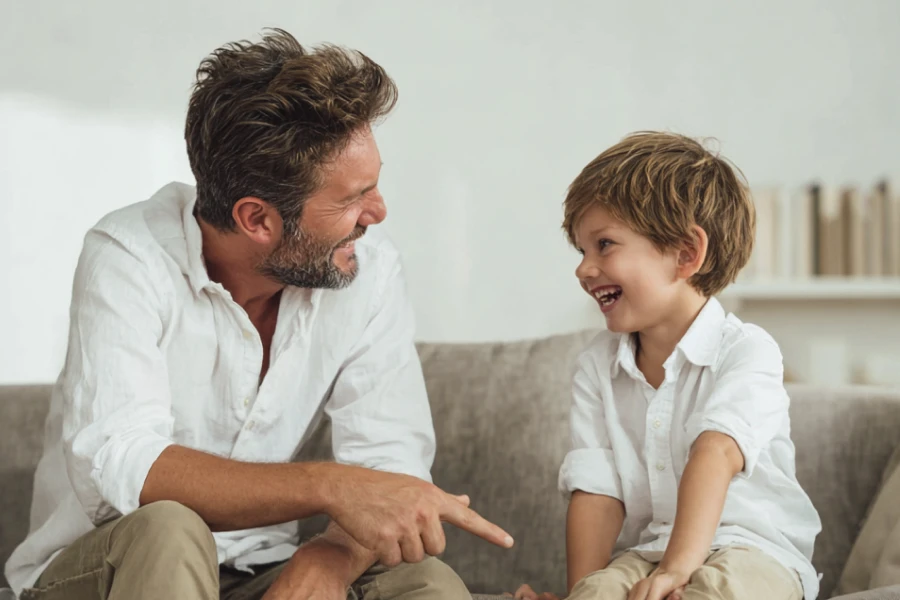
Children experience emotions intensely because their brains continue developing regulation pathways. Without guidance, they react impulsively and struggle to articulate feelings clearly. Teaching self-calming techniques for children builds neurological pathways that support thoughtful responses.
Emotional coaching improves focus, social skills, and academic performance. When children regulate stress effectively, they process information more clearly and maintain better peer relationships. Emotional regulation directly influences long-term mental health and confidence.
Parents often feel unsure about where to begin this process. A structured resource like the Emotional Regulation at Home Guide provides step-by-step frameworks that simplify emotional coaching. It includes printable exercises that help families practice daily without overwhelm.
Consistency matters more than perfection. Small, repeated strategies create lasting transformation.
Children mirror adult behavior more than adult instructions. If parents react with visible stress, children absorb that emotional pattern quickly. Calm leadership sets the emotional tone within the household.
Practice labeling emotions aloud during neutral moments. Saying, “I feel frustrated, so I will take a deep breath,” models regulation clearly. This simple habit strengthens emotional awareness for kids and normalizes healthy coping.
Self-calming techniques for children become natural when parents demonstrate breathing exercises, grounding strategies, and positive self-talk. Children learn faster when they witness regulation in action.
The Teaching Emotional Regulation Guide supports parents with practical scripts and conversation starters. It removes uncertainty by outlining realistic ways to respond during emotional moments.
Modeling builds trust and encourages openness about feelings.
Emotional regulation develops best during calm moments, not during meltdowns. Schedule short daily practice sessions when your child feels relaxed and receptive. Introduce breathing exercises, counting strategies, and body awareness activities consistently.
Create a “calm corner” in your home with soft lighting and comforting items. Encourage children to use that space proactively before emotions escalate. Structure increases effectiveness because repetition builds neural strength.
Self-calming techniques for children thrive within predictable routines. Morning check-ins and bedtime reflections create opportunities to review emotional experiences gently.
Parents often benefit from following a clear emotional regulation parenting guide to maintain structure. The Emotional Regulation at Home Guide offers printable worksheets that track emotional patterns and progress.
Tracking patterns helps families identify triggers and celebrate growth.

Shame blocks learning and intensifies emotional distress. When children feel judged for emotional reactions, they suppress rather than process feelings. Healthy guidance separates behavior correction from emotional validation.
Acknowledge feelings first before correcting actions. Statements like, “I see you feel angry,” build connection immediately. Once connection exists, you can introduce self-calming techniques for children effectively.
Teach children that emotions provide information rather than problems. Anger might signal unmet needs or frustration. Sadness may reflect disappointment or exhaustion.
The Teaching Emotional Regulation Guide includes age-appropriate explanations that make emotional concepts accessible. It equips parents with strategies that encourage understanding rather than suppression.
Validation strengthens emotional intelligence and builds security.
Simple tools often create the most meaningful impact. Teach children to pause and name five things they can see and hear during stressful moments. This grounding method anchors attention and reduces overwhelm.
Introduce “emotion charts” that display facial expressions and feeling words. Visual tools expand vocabulary and improve emotional awareness for kids naturally. Encourage journaling or drawing to process feelings creatively.
Self-calming techniques for children also include physical strategies. Slow breathing, stretching, and rhythmic movements regulate the nervous system quickly. Encourage children to notice body sensations that signal rising emotions.
The Emotional Regulation at Home Guide provides structured activity pages that simplify implementation. It organizes techniques into manageable steps that fit real family schedules.
Clear structure increases consistency and long-term success.
Emotional skills influence adulthood far beyond childhood conflicts. Children who regulate effectively develop stronger decision-making and problem-solving abilities. They approach challenges with steadier focus and confidence.
Self-calming techniques for children reduce impulsive reactions that damage relationships. When children pause before responding, they build healthier communication patterns.
Parents who follow structured emotional frameworks report fewer daily arguments and more cooperative behavior. The Teaching Emotional Regulation Guide supports this transformation with practical planning tools and guided exercises.
It includes printable trackers, calming scripts, and age-specific guidance that simplify emotional coaching at home. Families gain clarity about what to teach and when to practice.
Emotional growth requires repetition, patience, and steady support.
Children thrive in environments that prioritize emotional safety. Encourage open conversations about feelings during neutral family moments. Share your own experiences with regulation challenges honestly and calmly.
Maintain predictable household routines that reduce environmental stress. Limit overstimulation when possible, especially during transitions or busy days.
Self-calming techniques for children succeed when adults reinforce them consistently. Praise effort rather than perfection and celebrate small improvements regularly.
The Emotional Regulation at Home Guide helps parents maintain this consistency through structured planning pages and reflection prompts. It transforms emotional teaching from reactive discipline into proactive skill-building.
When you prioritize emotional coaching, you strengthen your child’s confidence and resilience. These skills influence relationships, learning, and mental health for years to come.

If you have any questions, here are some useful links:





Leave a comment