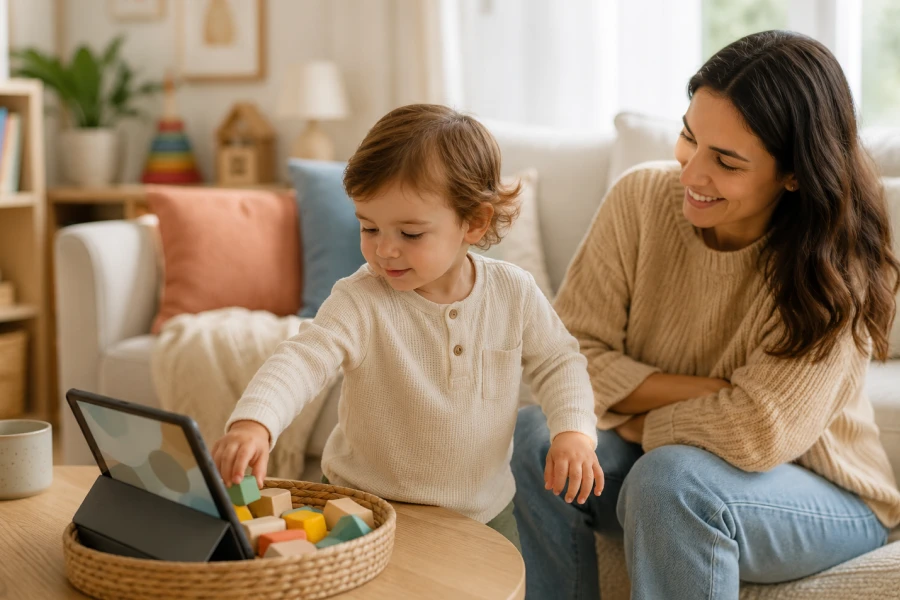
Healthy screen habits help toddlers move through the day with more balance and fewer battles. Screens are not the only issue. Timing, content, transitions, and replacement activities all matter. A toddler needs touch, movement, language, sleep, and exploration. Media should not take over those foundations. Parents can build routines that feel calm instead of strict. The best approach is clear, repeatable, and realistic. With positive screen alternatives, families can reduce dependence without creating constant conflict.
Timing shapes how toddlers respond to screens. A short show after outdoor play may feel different from one before bedtime. Screens during tired moments can sometimes make transitions harder. Screens during meals may reduce conversation. Parents can watch patterns instead of judging isolated moments. Notice when viewing leads to calm. Notice when it leads to meltdowns. Then adjust the schedule. This keeps the plan practical. Timing is often easier to change than the entire routine. Small shifts can create meaningful results.
Rules work better when adults can remember and repeat them. Complicated systems collapse during busy days. Choose a few simple boundaries. No screens during meals. One short show after nap. No screens in the bedroom. The exact rules depend on the family, but consistency matters. Toddlers learn through repetition. Parents should state the rule before the screen starts. They should also name what comes afterward. low-stress media boundaries reduce confusion and negotiation.
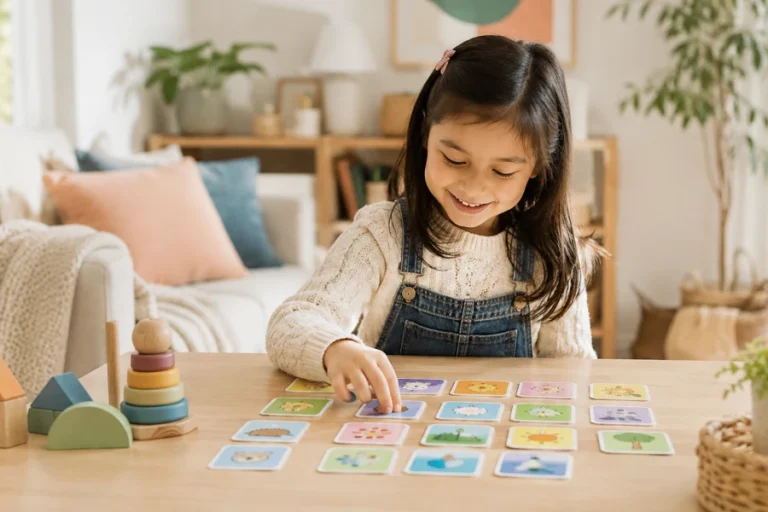
Toddlers do not always reject offline play because they dislike it. Sometimes they simply need help starting. Keep simple activities visible and ready. Blocks, crayons, toy animals, sensory bins, and pretend kitchen items can invite play. Rotate items so they feel fresh. Join for the first few minutes when possible. This helps the child transition from passive viewing to active exploration. Parents can also pair screen endings with a favorite activity. The next step should feel concrete, not vague.
Hard days require compassion and structure. A sick child, deadline, or travel delay may change the plan. That does not mean the plan failed. Parents can use screens more intentionally during unusual moments. Choose calmer content. Keep the viewing window clear. Return to normal routines afterward. Avoid turning one long day into a new default. This mindset prevents guilt from taking over. With family media plan support, flexibility becomes easier to manage.
Connection changes the screen experience. A toddler who watches with a parent can hear language, questions, and real-world links. Parents do not need to watch every minute. Even occasional shared viewing helps. Ask what the character did. Name colors, feelings, or actions. Relate the scene to something familiar. This turns passive viewing into a small conversation. It also helps parents understand what their child is absorbing. Screens become less isolating when connection stays part of the experience.
The strongest screen plan protects the basics first. Toddlers need sleep for regulation. They need movement for development. They need conversation for language growth. When those needs are secure, screen decisions become clearer. Parents can check the day as a whole. Did the child move enough? Did they talk, explore, and rest? Did screens crowd out connection? These questions guide adjustments without shame. A healthy rhythm does not require perfection. It requires returning to what helps the child grow.



Leave a comment