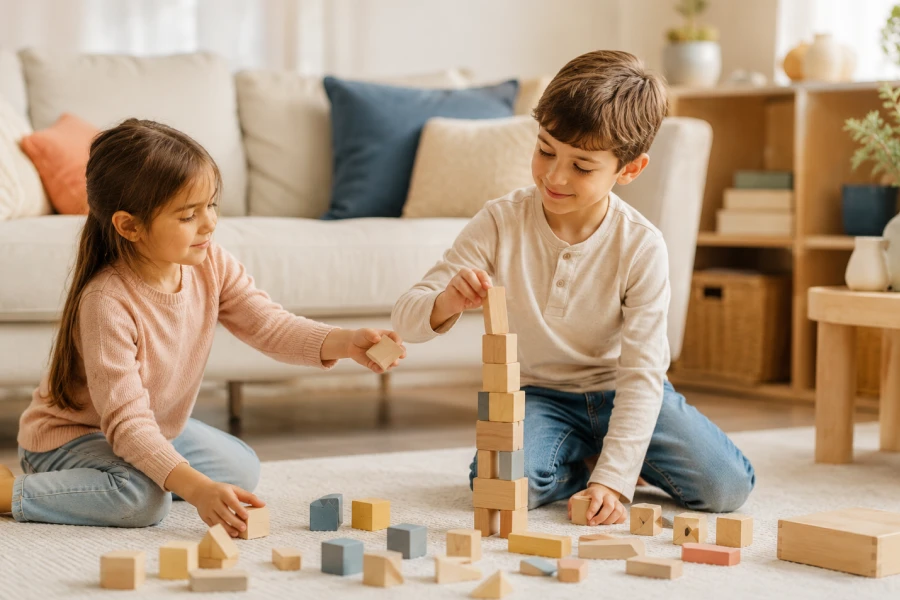
Boosting memory in kids does not require turning home into a classroom. Children often remember more when practice feels playful, social, and connected to real life. They need repetition, but they also need variety. They need challenge, but not constant pressure. A child who laughs during learning may stay engaged longer. A child who teaches a fact to someone else may remember it better. Parents can make memory practice simple. With learning games for children, repetition becomes much easier to enjoy.
Memory begins before a child tries to remember anything. First, the brain has to notice the information. Attention is the doorway. If children feel overwhelmed, distracted, or bored, that doorway narrows. Parents can help by reducing clutter and giving clear instructions. They can also use novelty. A funny voice, a quick drawing, or a movement cue can help information stand out. Once attention improves, memory has a better chance. This is why the learning setup matters so much.
Stories help children organize information. A list of facts can feel random. A story gives those facts order, emotion, and meaning. Parents can turn spelling words, routines, or history details into simple narratives. Children can also create their own stories. This gives them ownership over the material. It also strengthens sequencing. Ask what happened first, next, and last. Encourage funny details. The more memorable the story feels, the easier recall becomes. active learning methods make memory practice feel alive.
Rhythm gives memory a helpful structure. Children often remember songs, chants, and patterns before they remember plain explanations. Parents can use clapping, tapping, or simple melodies to reinforce information. Patterns also reduce mental load. When children see how ideas fit together, they remember more easily. Repetition still matters, but it should not feel endless. Short reviews spread across time work better than one long push. This approach feels manageable. It also helps children feel successful faster.
Review works best when it happens before forgetting becomes complete. Parents can revisit information after a few minutes, later that day, and again the next day. This spacing strengthens recall. It also avoids last-minute stress. Children can use quick games instead of long worksheets. They can match cards, answer silly questions, or explain an idea to a toy. These small routines build confidence. With child memory practice, review becomes lighter and more effective.
Parents sometimes run out of fresh ways to practice. AI can help by suggesting age-appropriate games, review prompts, and creative examples. It can turn a spelling list into a treasure hunt. It can create story questions from a lesson. It can suggest sensory activities for different learning styles. Parents still choose what fits their child. The tool simply saves planning time. This makes practice easier to maintain. When used thoughtfully, AI learning tools support the parent-child connection.
Memory is not only about storing information. It is also about confidence. Some children know more than they believe they know. Nervousness can block recall. Parents can help by praising strategy, not just correct answers. Remind children how they remembered something before. Encourage them to pause and try one clue. Celebrate progress that comes after effort. This teaches children that memory can improve. They stop seeing forgetfulness as failure. Instead, they begin treating recall as a skill they can strengthen.




Leave a comment