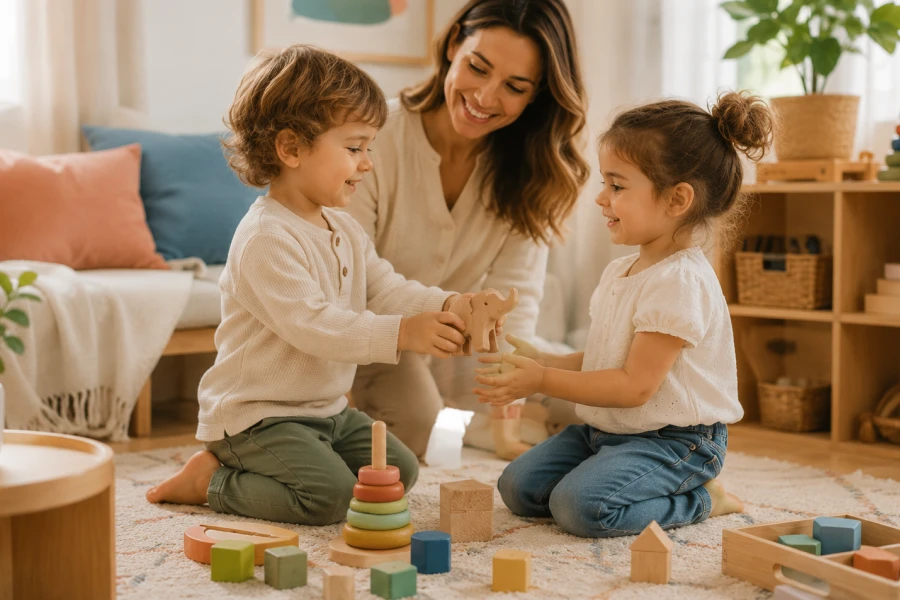
Kind children parenting is not about raising children who simply say the right words. It is about helping them notice people, understand impact, and choose respect when nobody is applauding. Manners can open the door, but character must walk through it. Children need examples, practice, correction, and repair. They also need adults who treat kindness as strength, not softness. This matters at home, in school, and with friends. Parents can build these habits without sounding preachy. With kindness habits, everyday behavior becomes a simple training ground.
Children study adults more closely than adults realize. They notice tone before they understand advice. They remember how conflict feels. They copy what gets attention. If kindness appears only during lessons, it feels optional. If kindness appears during stress, it becomes believable. Modeling does not require perfection. It requires repair when you miss the mark. A sincere apology from a parent teaches more than a speech. It shows that respect continues after frustration. Children learn that being kind includes taking responsibility.
Empathy develops when children practice noticing another person’s experience. Parents can ask simple questions after ordinary moments. How did your friend feel? What helped your sibling calm down? What could we try next time? These questions build awareness without shame. They also move children beyond rules. A child who understands impact behaves differently. They begin to see people as people, not obstacles. That shift changes play, sharing, apologies, and friendship. Strong child empathy skills grow through repeated conversations.
Kindness does not mean saying yes to everything. Children also need boundaries, privacy, and self-respect. A kind child can still say no. A respectful child can still disagree. Parents should teach this balance early. It prevents people-pleasing from being mistaken for goodness. You can praise children for speaking honestly with care. You can also coach them to use firm words without cruelty. This helps them protect themselves while respecting others. True kindness includes the courage to be clear.
Every child will speak sharply, grab a toy, ignore a feeling, or act unfairly. These moments are not failures. They are practice points. Repair teaches children what to do after harm. Parents can ask what happened, who was affected, and what could help now. This turns correction into growth. It also avoids labels that damage identity. A child is not bad because they made a poor choice. They are learning. Using gentle discipline ideas keeps the lesson firm, calm, and useful.
Sibling conflict gives children constant chances to practice fairness. Parents do not need to judge every disagreement immediately. Sometimes they can coach both children to explain what happened. Each child needs space to be heard. Then they can look for a solution together. This builds problem-solving and emotional patience. It also teaches children that relationships can survive frustration. The goal is not a silent home. The goal is a home where conflict becomes less destructive. That lesson carries far beyond childhood.
Children respond better when kindness feels powerful. They should know that kind people can lead, protect, speak up, and make hard choices. Kindness is not weakness. It is self-control with compassion. It is honesty without humiliation. It is courage with awareness. Parents can point out these examples in daily life. They can celebrate moments when children choose generosity under pressure. Over time, kindness becomes part of identity. It stops being a rule children follow. It becomes a standard they recognize in themselves.

Leave a comment