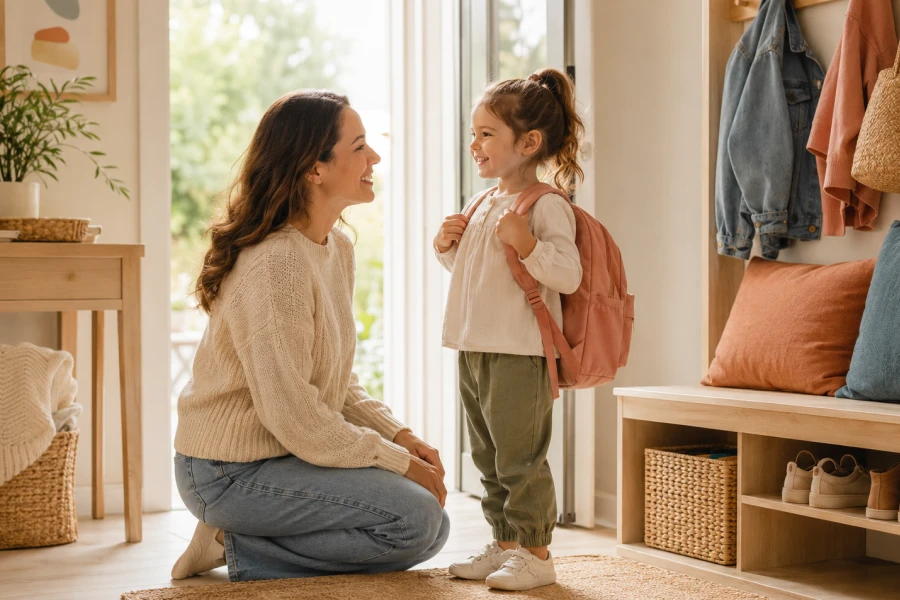
Raising confident children sounds like a grand mission, but it usually begins in quiet daily choices. A child watches how you respond to mistakes. They notice how you speak under stress. They learn from praise that feels specific, not empty. Confidence grows when home feels emotionally safe. Kindness grows when respect becomes normal. Parents often look for dramatic turning points, yet progress usually comes from repetition. Small moments teach children what they can handle. The right support also helps parents stay consistent. When you use practical parenting strategies, daily routines become opportunities for deeper growth.
Children build confidence faster when they feel secure enough to try. They need room to fail without shame. They need adults who correct behavior without attacking character. This difference matters every day. A child who feels safe takes healthy risks. They raise their hand. They ask questions. They apologize more easily. They also recover faster after disappointment. Emotional safety does not mean removing every challenge. It means becoming a steady place children can return to when life feels too big.
Generic praise sounds nice, but it often fades quickly. Specific praise tells children what they did well. You can notice effort, patience, courage, honesty, or kindness. That helps children connect behavior with identity. Instead of saying they are perfect, show them they are capable. This builds confidence without pressure. It also protects them from needing constant approval. Children who understand their strengths tend to handle criticism better. They know one mistake does not erase their progress. This is where confidence building at home becomes practical and repeatable.
Kindness grows when children see it used in real situations. They learn by watching how adults treat servers, siblings, neighbors, and strangers. They also learn from how parents repair conflict. Apologies matter because they show humility. Listening matters because it shows respect. Children need repeated examples of empathy in motion. They do not become kind from lectures alone. They become kind from seeing kindness treated as strength. Family language also shapes behavior. When kindness is expected, children slowly practice it without needing constant reminders.
Protection feels loving, but too much protection can weaken confidence. Children need challenges that match their age and ability. They need chances to solve small problems. They need time to think before adults step in. This does not mean ignoring them. It means coaching instead of rescuing. Ask what they have already tried. Offer one next step. Celebrate the attempt. Children feel stronger when they see themselves making progress. With emotional growth tips, parents can support bravery without pushing too hard.
Feelings become easier to manage when children can name them. A child who says they feel embarrassed can move through the moment more clearly. A child who only feels bad may become overwhelmed. Emotional vocabulary gives children tools. It also reduces shame around big reactions. Parents can model this by naming their own feelings calmly. They can say they feel frustrated and need a moment. That teaches regulation without a lecture. Over time, children learn that feelings are signals. They do not have to become orders.
Morning routines, meals, rides, and bedtime all shape character. These moments may look ordinary, but children experience them as emotional training. They learn patience when plans change. They learn responsibility when they help. They learn empathy when someone else needs care. Parents do not need perfect scripts. They need repeatable habits that make values visible. The goal is not flawless behavior. The goal is steady progress. When children see confidence and kindness practiced daily, those traits become familiar. Familiar traits become easier to choose.


Leave a comment